Services

Industries

Software Engineering
Cyber Security
IT Consulting
Artificial Intelligence
Progress OpenEdge
Cloud
Delivering seamless digital services is essential in the energy sector, where customers expect secure, fast, and convenient self-service options. This case study explores how Baltic Amadeus transformed a major Lithuanian energy company's outdated customer portal into a secure, fully functional digital platform.
One of Lithuania's largest energy sector companies approached Baltic Amadeus to upgrade its customer self-service website, which no longer met evolving user expectations or technical requirements.
The legacy website did not comply with updated bandwidth and security standards. It lacked essential functionality, including direct bank payment options and messaging capabilities. Customers were unable to perform key actions such as signing electronic agreements, changing electricity plans or obtaining conditions for electricity installation. These limitations negatively affected both user experience and operational efficiency.
To address these challenges, Baltic Amadeus proposed developing a new eCommerce solution to modernise the platform and expand its capabilities.

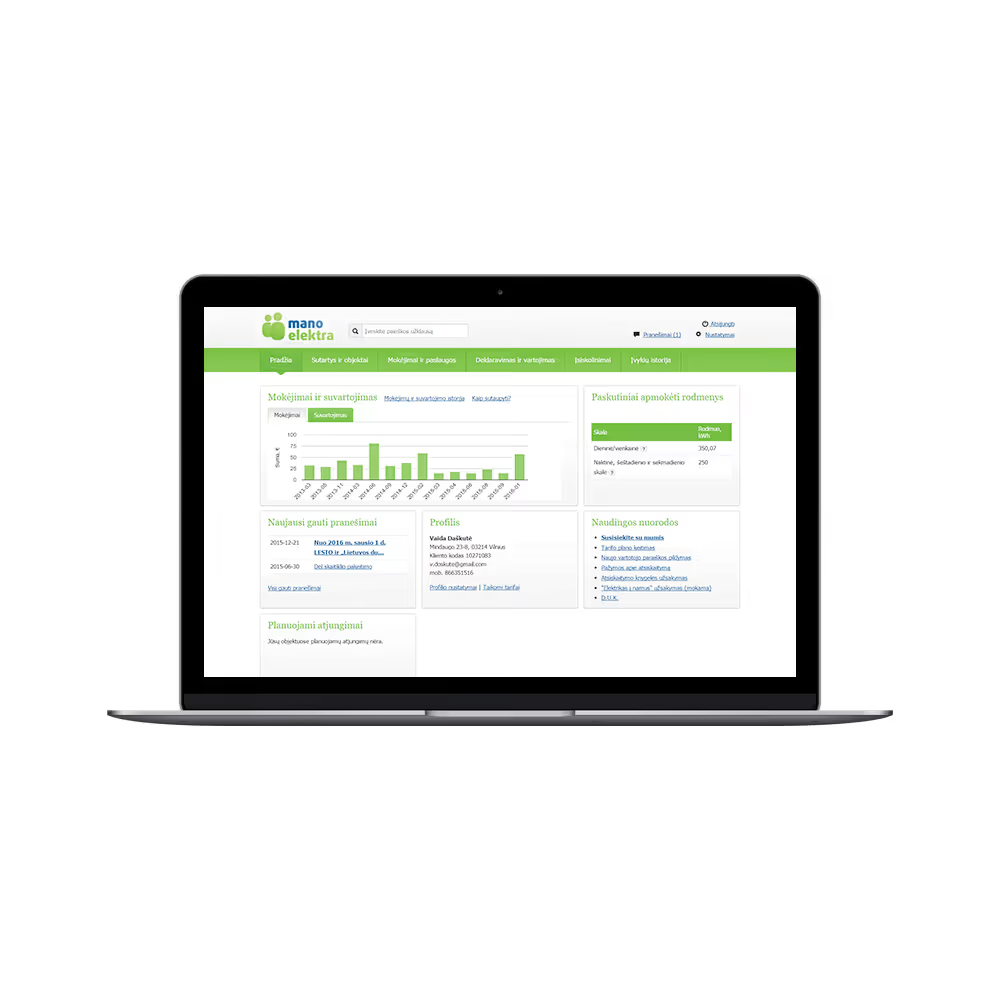
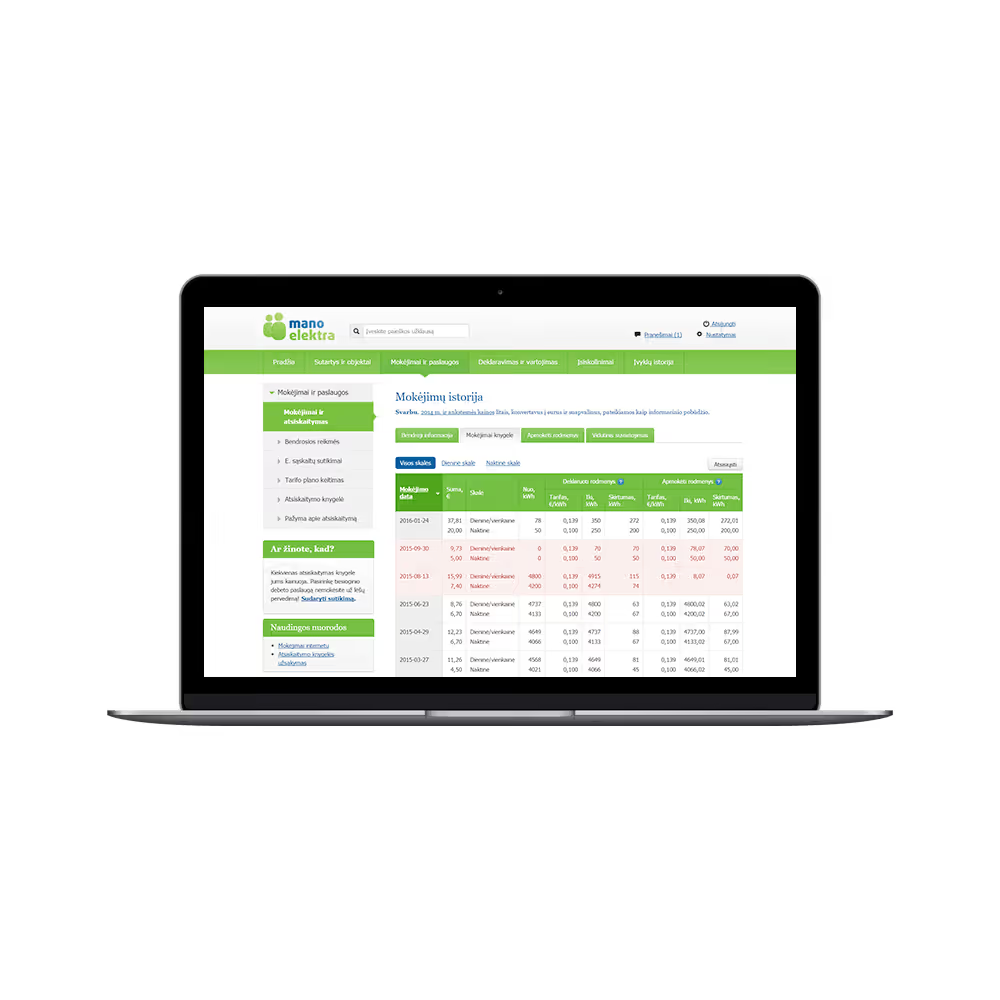
Baltic Amadeus developed a new solution based on EasyWeb, HTML, CSS, JavaScript, CF, .NET, Web Services, and jQuery. Following implementation, the outdated website was transformed into a comprehensive self-service portal, www.manoelektra.lt.
The new eCommerce platform was built with a strong focus on usability and underwent thorough testing to ensure intuitive navigation and reliable performance. An authentication mechanism was introduced to ensure secure user access.
The solution was adapted to support the declaration of domestic meter readings, service ordering and digital agreement management. It also included integration interfaces with more than five internal information systems and banking institutions, enabling direct payment processing and streamlined data exchange.
The newly implemented eCommerce solution enabled the company to clearly separate services for private and business customers, improving service structure and clarity. Customers can now enter meter readings, submit invoices, make payments directly through their banks, and communicate with the provider via integrated messaging. The system also supports the generation of analytical reports and reduces reliance on intermediary processes.
These improvements have optimised customer activities and significantly reduced the workload of the customer helpline. At the same time, the platform has improved service speed and overall quality for Lithuanian electricity consumers, strengthening the company's digital capabilities and customer satisfaction.